Control Tower
The goal
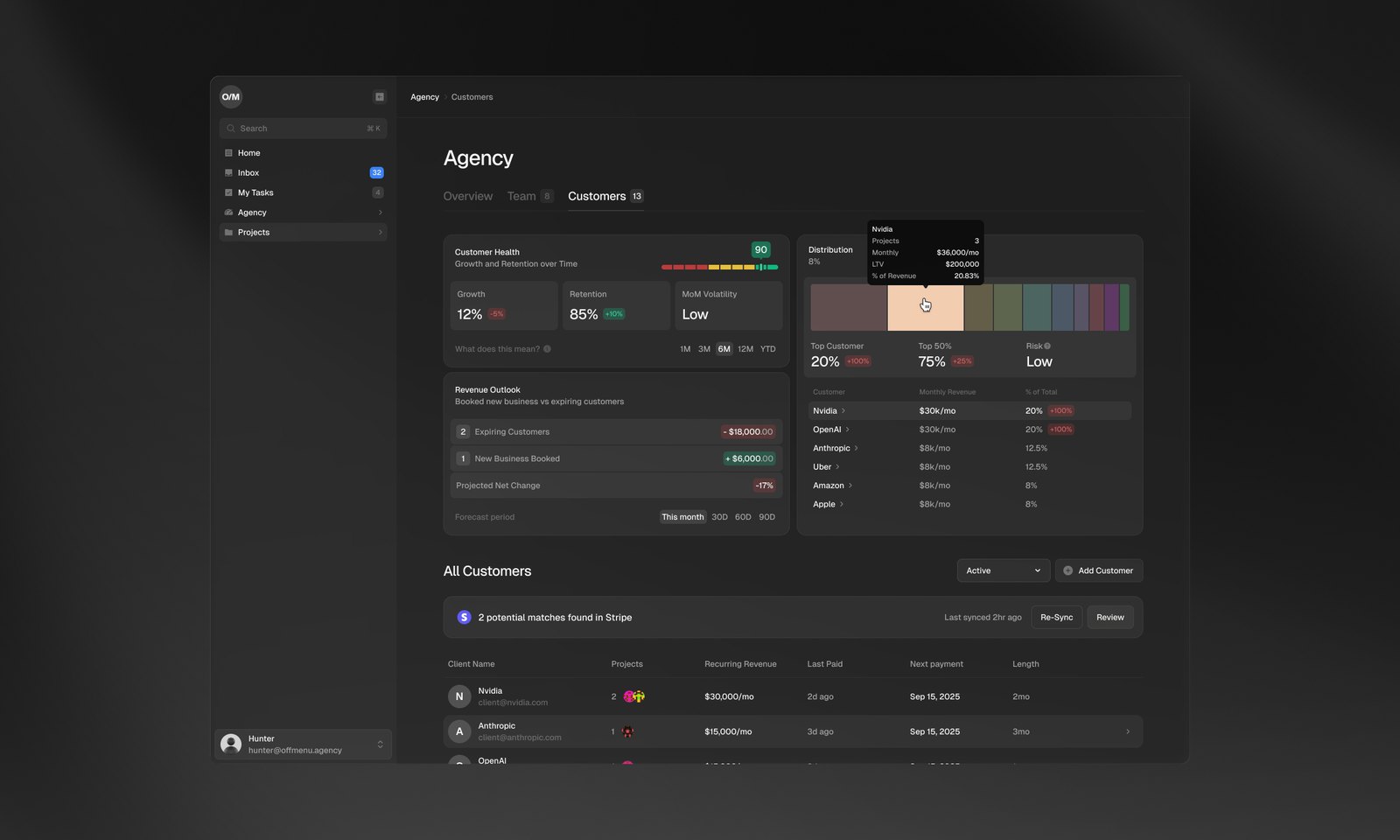
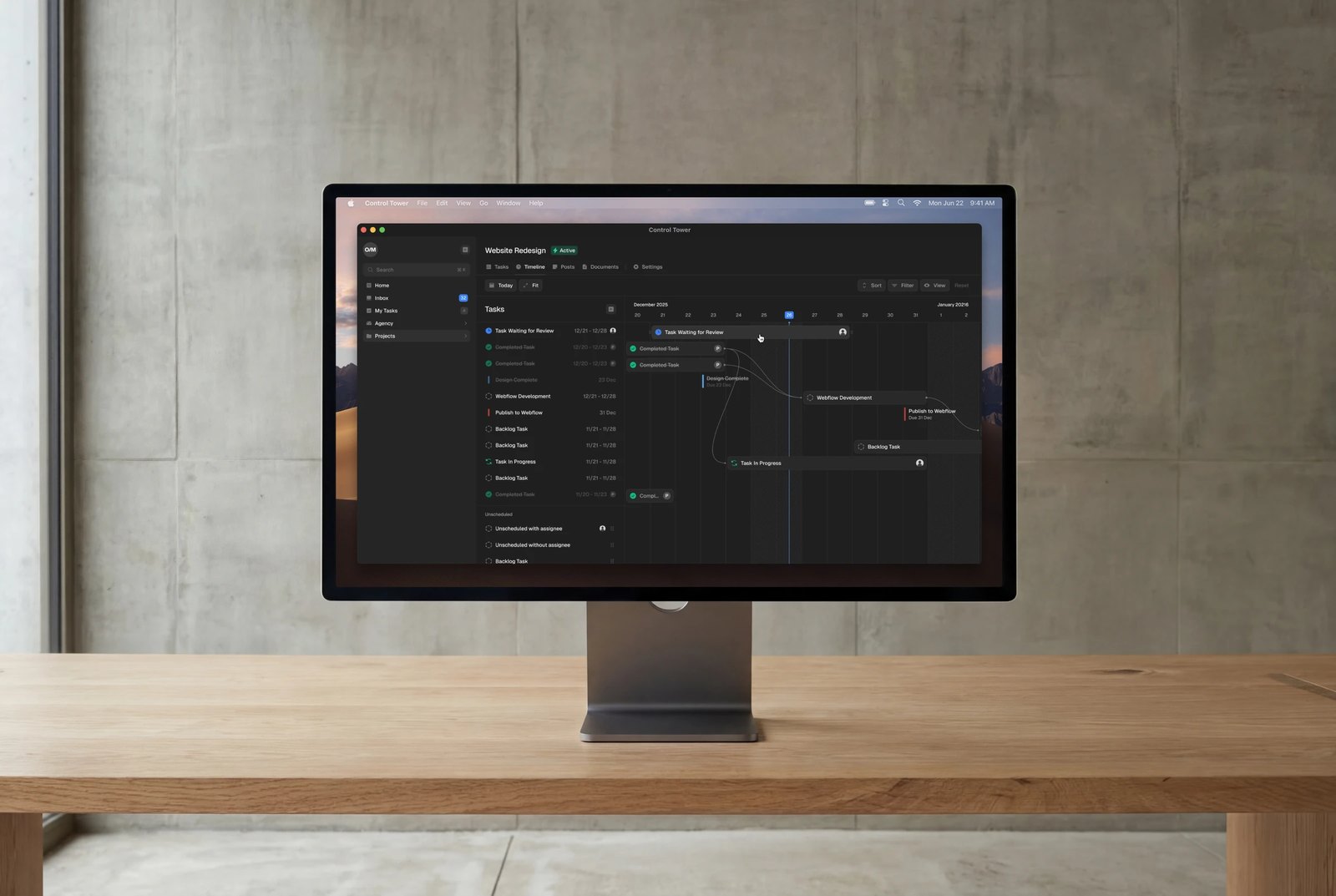
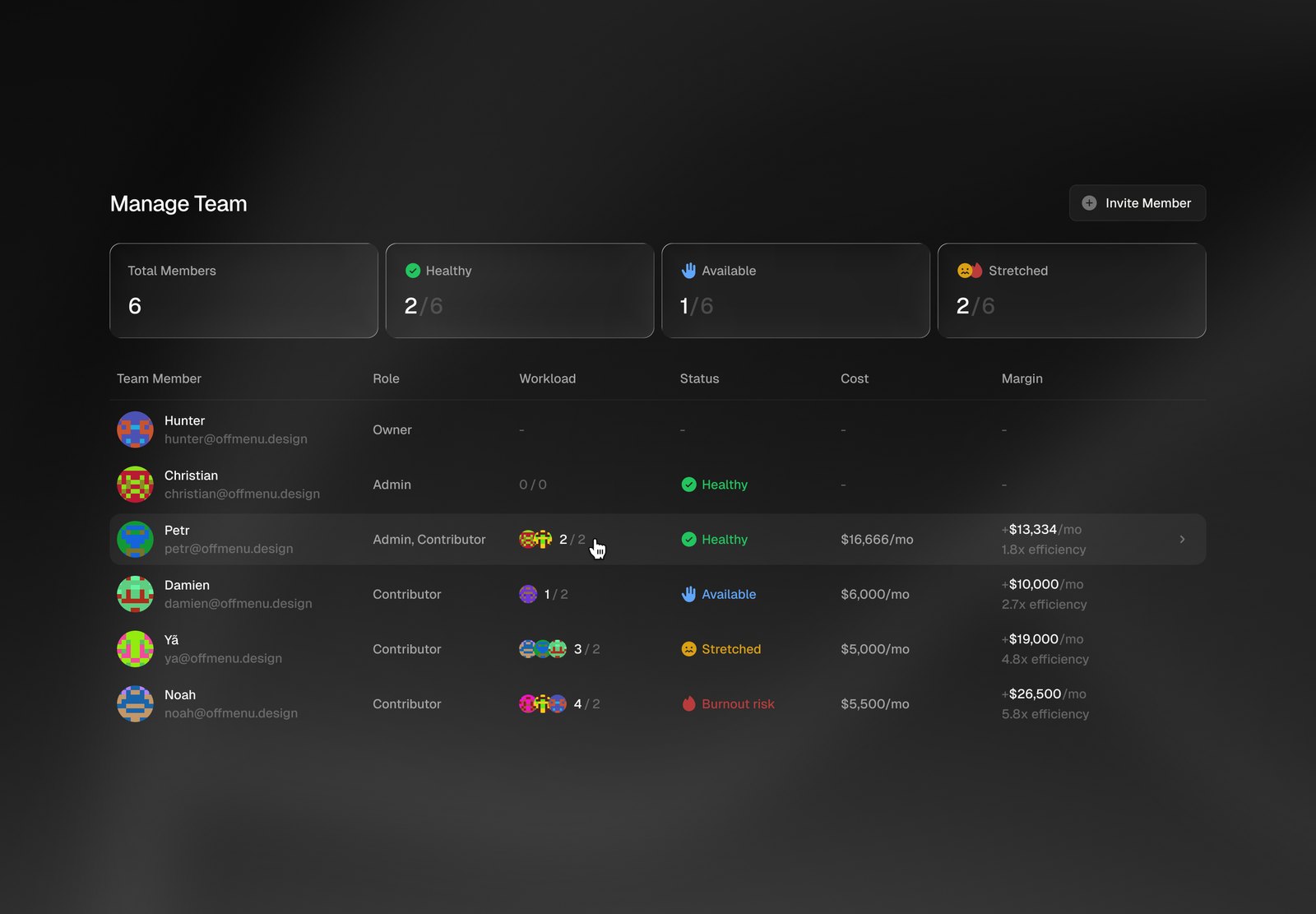
We built Control Tower because nothing on the market did the job: one place to see how the studio is doing. Not just project status, the full picture, who is stretched, what is profitable, where there is room to take on more. An internal tool, so decisions about capacity, hiring and client work happen on real numbers instead of gut feel.
The challenge
Studio health lives in too many places. Project status in one tool, profit in a spreadsheet, team capacity in someone's head. By the time you piece it together, the moment to act has passed. We wanted that picture in one glance: current, true and impossible to ignore.
My role
I led product strategy, roadmap and requirements from MVP through to production. Control Tower replaces the fragmented tooling agencies run on, pulling project materials, communication, updates and feedback into one source of truth for a team and its clients. We were our own first user, so the feedback loop was short and honest: if it did not help us run the studio, it did not ship.
How I approached it
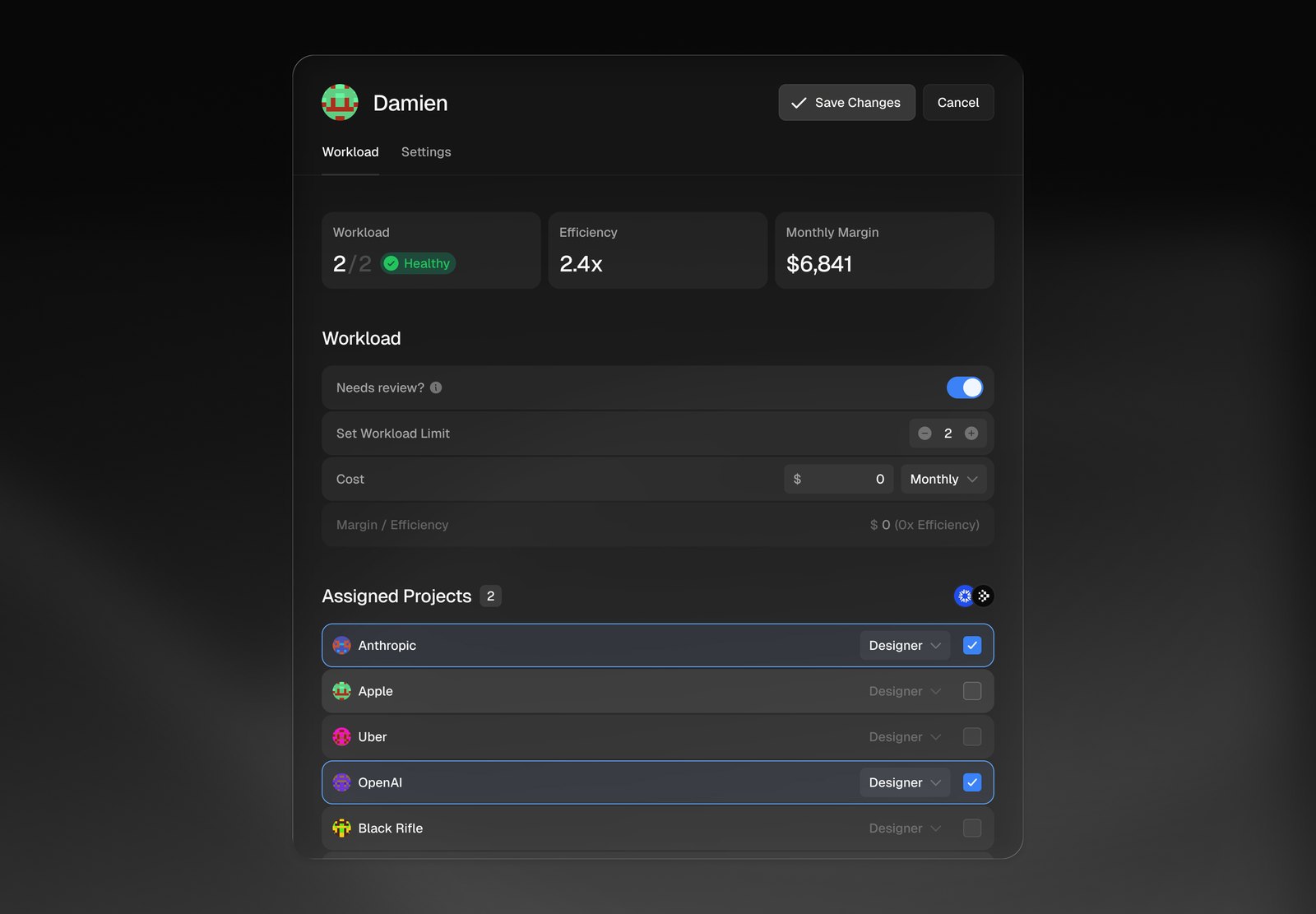
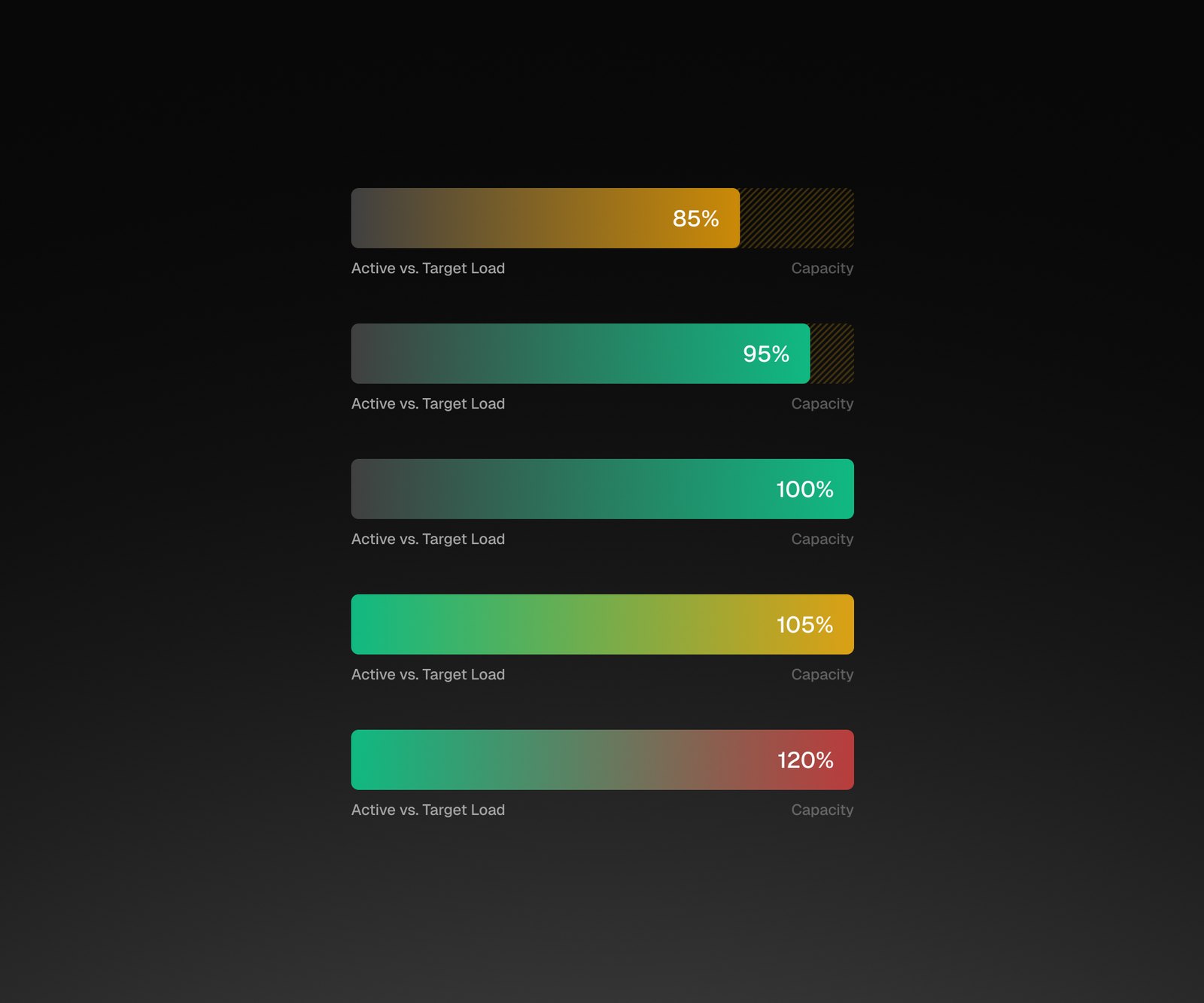
I started from the decisions, not the data, building around the calls a studio makes: can we take this project, who is close to burnout, are we making money on this client. The activity feed uses AI to turn messy client feedback into structured, assignable tasks, the kind of work that quietly eats a team.
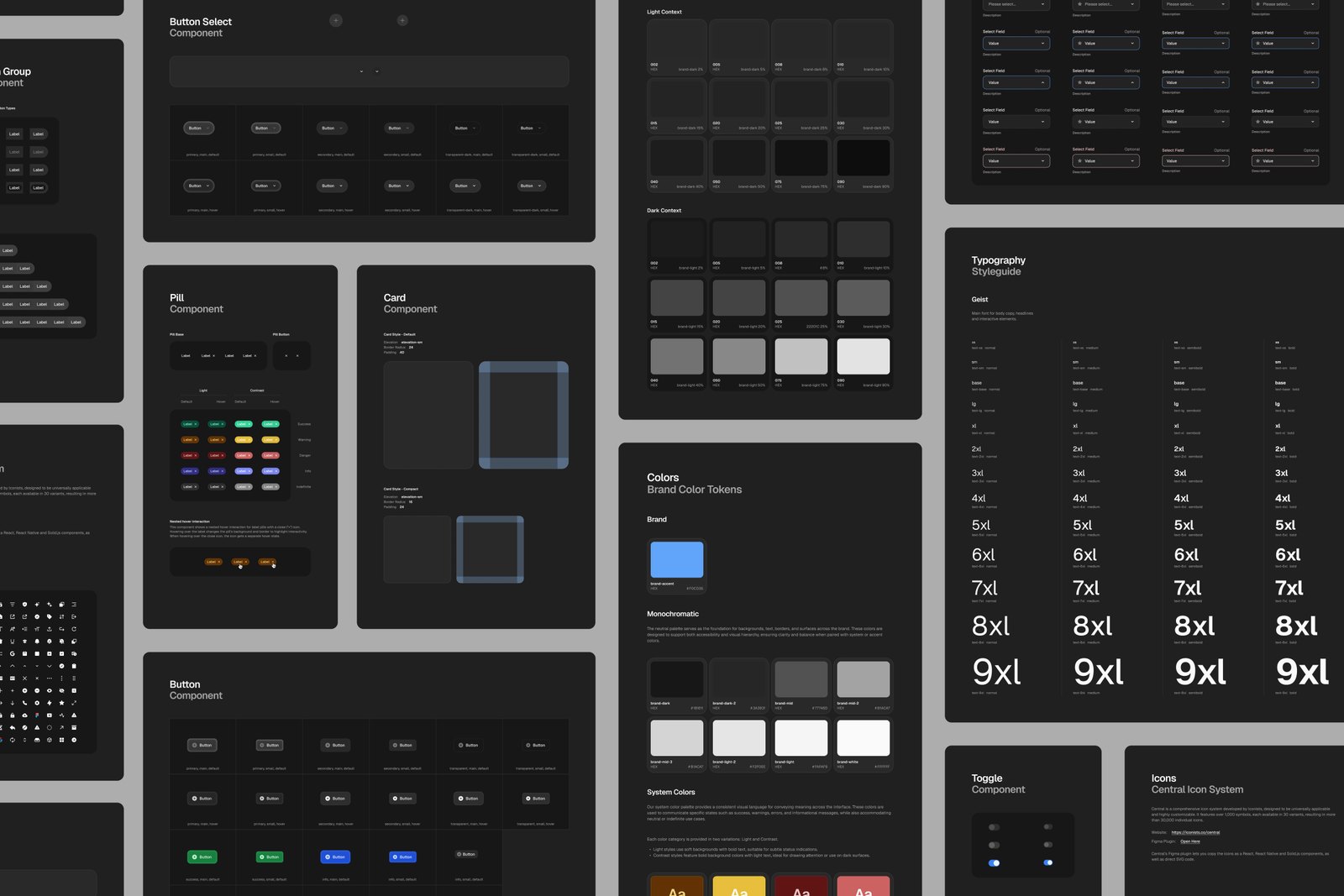
The part I am proudest of is how we built it. The whole design system lived in Claude: components, states, variants, light and dark, all in code. Figma got backfilled from the codebase, not the other way around, and a design system that used to take weeks came together in days.
A dashboard full of numbers is easy. A dashboard that changes what you do is hard.
The result
One surface for studio health: capacity, profit and project truth in a single glance. It shipped to production and now doubles as the knowledge and context layer for an AI agent. Decisions on real numbers, not gut feel.